Why Specialty Items Require Professional Moving Expertise
How American Van Lines Handles Specialty Item Moving Better Than Anyone
Moving a grand piano, a collection of 18th-century antiques, or your grandmother’s hand-painted china demands something most moving companies simply cannot deliver: expertise combined with reverence for what you’re entrusting to us. We’ve been moving specialty items across the country since 1995, and in that time, we’ve learned that standard moving practices fall dangerously short when your possessions hold both monetary and sentimental value.
The difference between a good move and a specialty move comes down to one thing: understanding that not all cargo is created equal. A couch can tolerate a bump. A Stradivarius violin cannot. We approach every specialty item with customized handling protocols, specialized equipment, and trained professionals who understand the weight of responsibility they carry.
When you’re moving a grand piano, a vintage wine collection, or fine art, generic packing materials and standard truck transport simply won’t work. Specialty items move differently because they have different vulnerabilities, different weight distributions, and different environmental needs.
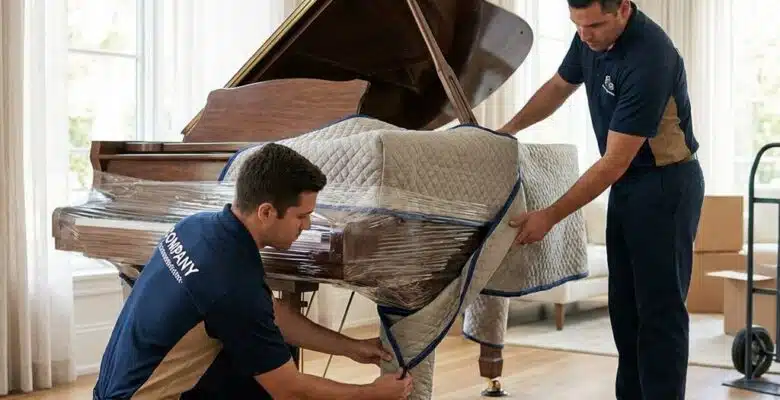
Consider what happens when a piano shifts even slightly during transport. The internal strings remain under thousands of pounds of tension, and sudden movements can knock the soundboard out of alignment. Professional piano moving requires specialized dollies, bracing techniques, and climate-controlled transport. That’s not something your neighbor’s cousin with a pickup truck understands. That’s something we’ve perfected.
We treat specialty item moving as a specialized discipline because it is one. Our crews receive training specific to the categories of items they’ll encounter. They learn how antique wood responds to temperature fluctuations. They understand how vintage electronics need different protection than modern ones. They know which art pieces require UV-protective coverings and which collections need humidity monitoring during transit.
The business reality for us is this: moving specialty items properly takes more time, more care, and more expertise than standard moves. But that’s precisely why customers choose us. We don’t rush these moves. We don’t cut corners on padding or bracing. We build each specialty move around the specific needs of what you’re relocating.
Action item: Before booking any specialty move, list out exactly what items fall into this category and what makes them valuable or fragile. Share this list with your moving coordinator so we can design a customized plan.
The Risks of Moving Valuable Antiques and Art Without Proper Training
We’ve seen the aftermath of antique moves gone wrong, and it’s heartbreaking. A mahogany dresser cracked because improper handling exposed wood to sudden temperature shock. A painting damaged because it was stacked against a moving box. A collection of vintage cameras scratched because they were wrapped in the wrong material.
The risks compound when you use a general moving company for antiques. Those crews simply haven’t been trained in the specific fragility of aged materials. Wood that’s 200 years old is not the same as wood from IKEA. It’s more brittle, more sensitive to environmental changes, and more prone to cracking under stress. Finish on antique furniture can flake off with improper handling. Joints can separate if moved at the wrong angle.
Art and collectibles carry additional risk factors. Paintings need to stay flat or vertical, never diagonal. Some canvases are more fragile than others depending on age and composition. Sculptures require custom crating to prevent tip-overs and impacts. Collectible figurines or vintage pottery need individual packaging because one crack can destroy the entire value of a piece.
The insurance picture gets murky too. Most standard moving insurance has disclaimers about antiques or high-value items. They might offer basic coverage that covers only a fraction of actual replacement cost. If an antique chair worth $5,000 gets damaged during a standard move, you might recover only $200 in insurance claims. That’s a gap we eliminate through our Full Value Protection and specialized handling.
We’ve also handled situations where homeowners attempted DIY moves of antiques. They rented a truck, wrapped items themselves, and were confident they’d done it right. Halfway across the country, vibrations and road conditions shifted the load. Padding shifted. Items settled. By the time they arrived at their destination, the damage was done. That’s not a financial hit we let happen to customers who work with us.
Temperature fluctuations during transport also pose risks that untrained movers might not even consider. If your antique furniture sits in a freezing truck overnight, then moves into a heated warehouse, the sudden shift in humidity can cause wood to crack or veneer to bubble. Climate control isn’t just a luxury for specialty items, it’s necessary protection.
Action item: Get detailed photographs and written documentation of all antiques before your move. Include condition notes, any existing damage, and approximate values. This documentation protects you and helps us understand exactly what we’re protecting.
Our Specialized Packing and Crating Process for Delicate Items
Packing specialty items is an art form that we’ve refined over three decades. It’s not about using more bubble wrap or more boxes. It’s about using the right materials, applying the right techniques, and understanding which items need custom solutions.
Our specialized packing and crating process starts with assessment. Before we pack a single item, our professionals evaluate what you’re moving. Is it an heirloom cabinet with veneer? A collection of vinyl records? Vintage electronics? Each category requires different protection strategies.
For delicate items like fine china or glassware, we use custom dish boxes with dividers, acid-free tissue paper, and strategic padding. We don’t just wrap plates individually, we nest them with protective material between each piece so movement during transport doesn’t create friction that scratches surfaces. Stemware gets individual protection within a stemware box designed to absorb vibration without transferring it to the glass.
Antique furniture pieces often benefit from full custom crating rather than just padding. A carved Victorian table might get a wooden crate built around it, with padding suspended inside to prevent any contact with the crate walls during movement. This costs more upfront, but the protection it provides is incomparable. We’ve moved fragile 19th-century pieces across the country without a scratch using this method.
We pad wrapped furniture for free on all moves, but specialty items often need additional protection beyond standard padding. For fine art or particularly delicate finishes, we use museum-quality wrapping materials that won’t damage surfaces or transfer color. For mirrors and glass, we use cardboard corner protectors combined with bubble wrap to create a shock-absorbing shell.
Electronics demand climate control and stable positioning. Vintage stereos or computers can be damaged by dust infiltration during transport, or by being jostled in ways that stress internal components. We crate these items securely to minimize movement and protect them from environmental contaminants.
One thing we never do: overstuff boxes or stack heavy items on top of fragile ones. We see moving companies do this to save space or reduce trip costs. It’s a false economy that ends in damage claims and customer frustration. Our approach is to use as many boxes or crates as needed to ensure proper protection, even if that means a slightly larger load.

Action item: Take photos of how fragile items are currently arranged or displayed in your home. Send these to us when requesting your estimate so we can recommend the right protection for each piece.
Piano Moving: Our Advanced Handling and Transportation Methods
A grand piano is one of the most complex items we move, and it’s also one where expertise makes the absolute difference between success and catastrophe. When you entrust a piano to us, you’re working with movers who specialize in piano moving services and understand every aspect of what makes these instruments vulnerable.
Pianos contain roughly 230 strings under enormous tension, a delicate soundboard, and intricate internal mechanisms that are calibrated to precise tolerances. If a piano is moved at the wrong angle, if it’s dropped even slightly, or if it experiences the wrong kind of jostling, the internal alignment can be destroyed. A piano moved improperly might still look intact, but the sound will be forever compromised.
Our process begins with a thorough assessment. What type of piano is it? Grand, upright, baby grand? How old is it? Has it been recently tuned? Are there any existing issues? These questions matter because they influence how we approach the move.
For grand pianos, we use specialized piano dollies with multiple wheels and bracing systems that distribute weight evenly while allowing precise positioning. The piano gets secured to the dolly with reinforced straps at specific anchor points that won’t damage the instrument’s exterior. We never strap a piano at random contact points, because pressure applied to the wrong spot can transfer stress to internal components.
Moving a piano up or down stairs requires additional equipment: pneumatic lifts, moving skids, and additional trained personnel. We position these strategically to keep the piano as level as possible and minimize the shock of each step. A piano being carried down a staircase is a moment that demands absolute focus and expertise from everyone involved.
Inside the truck, a piano gets positioned in the center of the cargo area rather than against a wall, where road vibrations could be transmitted directly to the instrument. We surround it with padding to prevent any shifting or contact with the truck walls during transit. For long-distance moves, we use our air-ride trucks, which significantly reduce vibration transmission compared to standard vehicles.
Climate control matters enormously for pianos. Temperature fluctuations and humidity changes during transport can cause the wooden casing to expand or contract, potentially cracking the wood or throwing the instrument out of adjustment. We maintain stable temperature and humidity in the truck environment.
After delivery, we position the piano carefully in its new location and provide basic adjustment guidance. We recommend having your piano professionally tuned after any move, as even the gentlest relocation can shift strings slightly out of adjustment.
Action item: Schedule your piano move several weeks in advance so we can allocate the right crew and equipment. Get your piano professionally tuned one week before the move and again one week after arrival.
How Our Air-Ride Trucks Protect Your Most Valuable Possessions
The truck itself is a critical protection component that most moving companies treat as incidental. We treat it as part of our specialty item protection strategy.
Our air-ride moving trucks are equipped with suspension systems that absorb road shocks and vibrations rather than transmitting them directly to cargo. This is a significant upgrade from standard truck suspensions. When your specialty items are loaded into an air-ride truck, they experience a dramatically smoother ride, with less vibration and fewer sudden movements caused by road conditions.
The difference becomes apparent on any drive with bumps, potholes, or highway conditions. A standard moving truck transmits these impacts directly to everything inside. An air-ride truck essentially floats above these disturbances, keeping cargo stable and protected. For pianos, fine art, or delicate antiques, this suspension technology is invaluable.
Our air-ride trucks also feature climate control capabilities for specialty moves. We can maintain temperature and humidity within the cargo area, protecting items sensitive to environmental changes. This is especially important for longer interstate moves where external temperatures might swing 40 degrees or more.
The trucks themselves are well-maintained and regularly inspected. We don’t move specialty items in aging vehicles with unknown maintenance histories. Every truck that carries a high-value load has been properly serviced and equipped for the responsibility it’s carrying.
We also equip our specialty moving trucks with GPS tracking on all American Van Lines vehicles. You can monitor your move in real-time, knowing exactly where your possessions are throughout transit. This transparency gives peace of mind, especially when moving valuables across state lines.
Interior organization matters too. We don’t just toss items into a truck and hope for the best. Specialty loads are arranged strategically so weight is distributed evenly, tall items don’t create an unstable top-heavy load, and delicate pieces are positioned where they’re least vulnerable to movement.
Action item: When booking a specialty move, specifically request our air-ride truck assignment. This ensures your most valuable items get the protection they deserve during transit.
Full Value Protection Coverage for Specialty Items During Transit
Moving specialty items without proper insurance protection is like flying an expensive painting across the country on an uninsured private plane. The risk simply isn’t worth taking.
We offer Full Value Protection available on all moves, which works differently than basic moving coverage. Basic coverage typically pays a fixed amount per pound (we provide free basic moving coverage protection on every move at $.60 per pound per article, up to $50k coverage). Full Value Protection covers the actual replacement cost of your items, up to agreed-upon limits.
This distinction matters enormously for specialty items. An antique table might weigh 80 pounds but have a replacement value of $8,000. Under basic coverage, that item would be insured for only $48. Under Full Value Protection, it’s insured for $8,000. If damage occurs, you’re protected.
When we establish your Full Value Protection, we work with you to document all specialty items and assign appropriate coverage values. This process requires honesty about what things are actually worth. We help you think through replacement costs honestly, not just insurance minimums.
Coverage typically begins when we pick up your items and continues through delivery and setup. If an item is damaged during our handling, transport, or delivery, Full Value Protection covers repair or replacement costs minus any applicable deductible.

For extremely high-value items, we can arrange additional specialized insurance through third-party providers. If you’re moving a $50,000 art collection or a vintage instrument worth six figures, we can coordinate coverage that protects the full value.
The key is being transparent with us about what you’re moving and what it’s worth. When you request your estimate, provide detailed information about specialty items. This allows us to recommend appropriate coverage and ensure you’re not underinsured.
Action item: Create an inventory spreadsheet listing each specialty item, its approximate replacement value, and any relevant details about condition or age. Share this with your move coordinator so we can recommend proper protection.
Custom Solutions for Fine China, Electronics, and Collectibles
Beyond pianos and antiques, we regularly move other specialty categories that require customized approaches.
Fine china and dinnerware collections represent both monetary value and sentimental attachment. A set of china used only on holidays might be worth hundreds or thousands of dollars. We pack these in custom dish boxes with individual piece wrapping, strategic padding, and secure sealing to prevent any shifting during transport.
We separate different sets into different boxes so if one box encounters problems, you don’t lose your entire collection. Stemware, serving pieces, and plates each get appropriate box types and protection methods based on their fragility and shape.
Vintage and collectible electronics require climate-controlled, vibration-minimized transport. Whether it’s old radios, vintage computers, or specialist audio equipment, these items can’t tolerate dust infiltration, sudden temperature swings, or rough handling. We crate and transport these securely, maintaining environmental stability throughout transit.
Collectible figurines, vintage toys, or other small valuable items need individual protection. We don’t batch-pack these assuming they’ll be okay if we just use plenty of bubble wrap. Each item gets assessed individually. Is it fragile ceramic? Rare plastic that becomes brittle with age? Valuable tin or metal construction? The protection strategy adjusts accordingly.
Artwork beyond paintings, such as sculptures, textiles, or mixed-media pieces, each demand specific approaches. A textile collection might need acid-free storage containers and climate control to prevent deterioration. A sculpture needs crating that prevents tip-over and protects surfaces from contact damage.
Sports memorabilia, comic book collections, or other specialized collections benefit from our experience moving similar items repeatedly. We’ve moved enough of these to understand standard vulnerabilities and best practices for protection.
We also move collections that are actively valuable in the market, like wine collections or rare books. These require humidity control, stable temperatures, and precise handling to preserve their value and condition.
Action item: For any specialty items beyond standard household goods, describe the items in detail when requesting your estimate. Include materials, approximate dimensions, and any special handling requirements you’re aware of.
Why Our Professional Crews Outperform General Moving Services
The quality of our moving crews is the foundation of our specialty item success. Trained, friendly movers with specific expertise in specialty handling are what separates us from companies that treat every move the same way.
Our crews receive ongoing training in specialty item handling. They learn not just how to move items safely, but how to move them with an understanding of what makes each category vulnerable. A crew member moving a piano knows why the angle of entry matters. Someone wrapping antiques understands why certain materials can damage finishes.
We maintain professional, dedicated crews rather than hiring day laborers or assigning random available people to moves. When you book a specialty move with us, the same coordinator and crew lead work with you throughout the entire process. They become familiar with your specific items and your concerns. This continuity of care makes an enormous difference.
Our movers understand that specialty items often carry emotional weight beyond their monetary value. That dining room table might be worth $3,000 in resale value, but it’s the table where your family has shared 20 years of meals. Our approach respects both the monetary value and the sentimental significance.
Dedication to customer service means we don’t rush specialty moves. We plan adequate time for proper packing, careful loading, and methodical transport. We don’t overbook crews so badly that people are exhausted or hurried. We build schedules that allow for the care these moves deserve.
We also don’t just move items; we think about the bigger picture. When delivering specialty items, we help position them in your new home thoughtfully. A piano gets placed where it will sound best acoustically and be protected from direct sunlight. Antiques get positioned to minimize environmental stress. Fine art gets arranged to display properly.
Our crews also function as educators. Before we leave your new home, we walk through care recommendations for your items. How should you maintain that antique wood? What cleaning products are safe for that finish? These details matter for long-term preservation.
Action item: When scheduling your specialty move, ask about the specific crew that will handle your items. Request to speak with your designated crew lead before moving day so they understand your priorities.
The Difference Between Basic Moving and Specialty Item Relocation
Not every move is created equal, and the difference between moving a standard household and moving specialty items is substantial.
A basic move focuses on getting items from Point A to Point B efficiently and cost-effectively. The truck is loaded, the route is driven, items are unloaded. Speed and efficiency are the primary metrics. This approach works well for most household moves.

A specialty item move prioritizes protection and care above speed. It may take longer because items are packed more deliberately, loaded more carefully, and transported with additional protection measures. The metrics that matter are damage prevention and successful preservation of condition.
Basic moves typically use standard cardboard boxes, wrapping paper, and packing tape. They load items efficiently to maximize truck space and minimize trips. Specialty moves might use custom crates, museum-quality materials, and deliberate underloading to provide cushioning and protection.
The cost structure differs too. A basic move is charged largely on weight and distance. A specialty move might include additional charges for specialized materials, custom crating, climate control, or specialized equipment. These aren’t hidden costs, they’re necessary expenses that genuine protection demands.
Crew composition differs as well. A basic move might be handled by general movers without specific specialty training. A specialty move involves crew members selected for their experience with that specific category of items.
Insurance and liability considerations also diverge. Basic moving insurance has limitations and exclusions that can leave you underprotected if damage occurs. Specialty item moves should include Full Value Protection that genuinely covers the actual value of what you’re moving.
Perhaps most importantly, the mindset is different. A basic moving company is executing a standard service efficiently. We’re protecting possessions that matter to you, sometimes irreplaceably so. That’s a different psychological and practical approach.
Action item: Honestly assess whether your move is basic or specialty. If more than 10% of what you’re moving falls into vulnerable categories (antiques, pianos, fine art, fragile collections), book a specialty move consultation rather than a standard estimate.
Getting Your Free Specialty Moving Estimate From Our Experts
Starting a specialty move with us begins with a conversation and assessment, not a generic quote form.
We offer free estimates for all moves, including specialty relocations. But for specialty items, we recommend either a virtual estimate where you can show us items via video, or an in-home estimate where our professionals can see and assess items in person. This personal consultation allows us to provide accurate guidance and recommendations.
During the estimate process, we discuss your timeline, your specific items, your concerns about particular pieces, and your destination. We ask detailed questions because details matter when we’re protecting valuable items.
We’ll recommend protection strategies specific to what you’re moving. If you have a piano, we’ll discuss our piano moving services and specialized handling. If you have antiques, we’ll talk about appropriate crating and climate control. If you have fine art, we’ll discuss protective measures and insurance options.
The estimate we provide is transparent and all-inclusive. We break down costs so you understand what you’re paying for, why custom crating is needed, what climate control adds to the cost, and how Full Value Protection pricing works. There are no surprise charges that appear at delivery.
We also discuss your options. Do you want basic coverage or Full Value Protection? Do you want climate-controlled transport? Would you benefit from custom crating for particular items? We present options so you can make informed decisions about your budget and protection levels.
Timing matters for specialty moves. We recommend booking several weeks in advance, especially if your move involves multiple specialty items or complex logistics. This allows us to allocate the right crew, schedule adequate time, and ensure we have necessary specialized equipment available.
To request your free specialty moving estimate, contact us through our website or call our after hours hotline for emergencies. Have your list of specialty items ready, photos of valuable pieces, and a sense of your timeline. We’ll take it from there.
We’re also members of the ATA (American Moving and Storage Association) and official movers of the Florida Panthers, which speaks to our commitment to professional standards and community reputation. These affiliations represent our dedication to doing moves the right way.
Action item: Gather photos and a detailed list of specialty items, then contact us for a free estimate. If your move is out of state, mention that specifically so we can plan for interstate moving expertise. Our professionals are experts in interstate moving and will ensure your specialty items get the protection they deserve across state lines.
Your valued possessions deserve more than standard moving services. They deserve expertise, care, and protection. That’s exactly what we deliver every time we take on a specialty item move.
Frequently Asked Questions (FAQ)
What makes your specialty item moving different from standard moving services?
We use specialized packing and crating techniques specifically designed for high-value items like antiques, pianos, and fine art. Our crews receive dedicated training in handling fragile and valuable possessions, and we equip our air-ride trucks with advanced suspension systems to minimize vibration and movement during transport. We also provide Full Value Protection coverage on all specialty moves, so your items are protected from pickup to delivery.
How do we handle piano moving and other large specialty items?
We have advanced handling methods and equipment specifically engineered for pianos and oversized specialty items. Our professional crews understand the structural complexities of these pieces and use custom crating, specialized dollies, and precision placement techniques to ensure safe transport. We’ve successfully relocated countless pianos and large collectibles across the nation without damage.
Can we move electronics, fine china, and collectibles safely?
We absolutely can, and we do it regularly. We create custom solutions for each type of item, using appropriate padding, climate-controlled storage options, and protective crating tailored to what you’re moving. When you request your free specialty moving estimate, our experts will assess your specific items and recommend the best protection methods for your collection.