
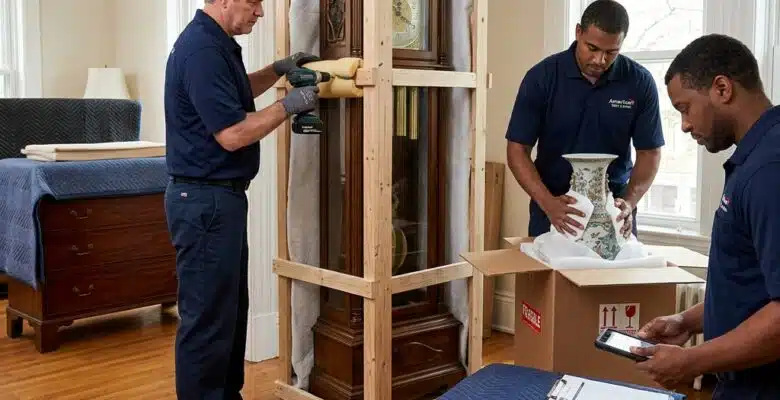
Why Antique Moving Requires Specialized Expertise
Moving antiques isn’t like packing up your everyday furniture. Whether you’re relocating a mahogany dresser passed down through generations, a collection of Victorian porcelain, or a set of first-edition books, these items carry both monetary and emotional value that demands a different approach than standard household moves.
We understand this distinction deeply. Over the past 30 years, we’ve helped families and collectors preserve treasured pieces during relocation. The difference between a smooth transition and a heartbreaking loss often comes down to who you trust with the job. In this guide, we’ll walk you through what makes antique moving different, what to look for in a specialized mover, and why we believe our approach sets the standard for protecting valuable collections.
Antiques aren’t just old items—they’re irreplaceable. A Victorian chair from 1880 can’t be replaced by buying a new one. The wood has aged in ways that make it both more beautiful and more fragile. The finish may be original and susceptible to temperature changes. Joints may be delicate. These characteristics demand knowledge that goes far beyond general moving experience.
Standard movers are trained to handle typical household goods efficiently. Speed and volume matter in their model. But antiques require patience, deliberate handling, and an understanding of material science. Understanding how wood expands and contracts with humidity, knowing which fabrics are light-sensitive, recognizing when a piece needs custom crating rather than standard wrapping—these are specialized skills that take years to develop.
We’ve built our antique moving service on this principle. Our team members receive specific training in antique handling, material properties, and restoration-friendly techniques. When you move a 200-year-old secretary desk with us, the person handling it understands its construction, knows the proper support points, and recognizes signs of structural stress that might indicate extra care is needed.
The real cost of choosing the wrong mover isn’t just the move itself—it’s the potential loss of irreplaceable items or permanent damage that no insurance claim can fully remedy.
Common Risks When Moving Valuable Antiques
Most damage to antiques happens due to preventable mistakes. Understanding these risks helps you recognize why specialized handling matters.
Temperature and humidity fluctuations are among the most common culprits. Wood furniture absorbs and releases moisture, causing wood to swell and shrink. Veneers can crack and lift. Finishes can become dull or cloudy. Paintings are particularly vulnerable—rapid temperature changes can cause canvas to warp and paint to flake. Standard moving trucks, even closed ones, expose items to outdoor temperature swings that would never occur in a home.
Improper packing causes more damage than transport in many cases. Wrapping a delicate piece without proper padding, using plastic that traps moisture against wood, or stacking items incorrectly can result in scratches, cracks, or structural damage that’s immediately visible and devastating.
Vibration and movement during transport stresses joints and can cause items to shift against each other. Pieces that have been stable for a century can suddenly separate or crack when exposed to hours of road vibration without proper stabilization.
Light exposure damages textiles, paintings, and paper goods. Many movers don’t recognize that antique fabrics and finishes are light-sensitive in ways that modern reproductions aren’t.
Structural vulnerabilities that aren’t obvious to the untrained eye can fail under pressure. A chair that looks solid might have stress cracks in its joints. A table’s leaf support system might be fragile. Forcing items into tight spaces or stacking weight improperly can cause structural failure.
We’ve seen expensive losses that resulted from someone trying to save money by using a standard mover. The savings in moving costs pale in comparison to the value lost. This is why we recommend specialized handling from the start.
What Sets Professional Antique Movers Apart
Specialized antique movers differ from standard moving companies in several fundamental ways.
First, we invest in equipment designed specifically for fragile items. Our moving trucks feature air-ride suspension systems that absorb vibration and road shock, protecting sensitive pieces far better than standard truck suspensions. We use custom crating materials, specialty padding, and supports that standard movers don’t stock.
Second, our crew training is different. Every team member who handles antiques receives training in identification, material properties, and gentle handling techniques. They learn how to assess condition before moving, spot potential vulnerabilities, and handle pieces in ways that minimize stress on weak points.
Third, we maintain detailed inventory and documentation protocols. Every item is photographed and recorded before loading. We track condition carefully and provide detailed reports. This level of documentation is standard for us but rare in general moving companies.
Fourth, our relationship with the move is different. When you book standard movers, you’re one of many moves happening that week. When you book antique-specialized services with us, your collection becomes the focus. Your personal move coordinator stays involved throughout, and we’re invested in ensuring everything arrives in excellent condition.
Fifth, we carry Full Value Protection on all moves, including coverage for high-value items. This isn’t the basic coverage that comes with standard moves—it’s comprehensive protection that reflects the true value of what we’re moving.
Our Comprehensive Antique Moving Protection Standards
Our antique moving process follows a detailed protocol designed to protect items at every stage.

Pre-move assessment: We begin with either an in-home or virtual estimate where our team evaluates your collection. We identify pieces that need special handling, note structural concerns, and plan the safest approach for each item. This assessment informs everything that follows.
Customized crating and packing: Unlike standard moves where items are wrapped and boxed, antiques often require custom crating. We build individual wooden crates fitted to specific pieces, using materials that won’t damage finishes. Delicate items receive archival-quality padding. Fragile surfaces are protected with non-adhesive materials. We pad wrap all furniture for free on every move, but antiques receive additional protective measures.
Climate-controlled transport: Your items travel in our air-ride moving trucks, which provide superior suspension and stability. More importantly for temperature-sensitive pieces, we can arrange climate-controlled transport that maintains consistent temperature and humidity during the journey.
Professional installation: Upon delivery, our team unpacks carefully, positions items where you want them, and removes all materials safely. We ensure nothing is damaged during the final placement.
Detailed documentation: Every item is photographed pre-move and post-delivery. Condition notes are recorded. You receive comprehensive documentation for insurance purposes and your records.
We can move your collection across town or across the country using these same standards. Whether it’s a local move within Florida or an interstate relocation, the protection level remains consistent.
Specialized Packing Techniques for Fragile Pieces
The difference between how standard movers pack and how we pack antiques is significant.
For fine furniture, we use techniques that account for the item’s construction. A Victorian settee with delicate carved details receives individual wrapping for each carved element, then overall padding that supports the frame without adding excessive pressure at weak points. Drawers are removed and packed separately to prevent their weight from stressing the frame.
With china and ceramics, we use archival paper and custom-fitted boxes with compartments. Unlike standard moving companies that might wrap plates individually and stack them, we nest them at angles that distribute pressure evenly and prevent shifting. Each compartment is sized to prevent movement during transport.
Paintings and framed art receive specialized treatment. We use corner protectors and edge guards, then soft padding that doesn’t contact the surface. Frames are supported to prevent pressure on the canvas. Large paintings may be custom-crated to lie flat, which is safer than standing them upright in a truck.
Textiles like quilts, tapestries, and upholstery receive acid-free tissue paper and are rolled rather than folded to prevent creasing. We avoid plastic wrapping that traps moisture.
For items with veneers or delicate finishes, we use high-quality furniture pads and take extra care during loading to prevent scratches or compression damage.
The time investment in proper packing might seem excessive compared to quick wrapping, but it’s the difference between items arriving pristine versus arriving damaged.
Climate-Controlled Storage for Long-Term Preservation
Sometimes your new space isn’t ready when your antiques are delivered. This is where climate-controlled storage becomes essential.
Standard storage units fluctuate with outdoor temperature and humidity. An antique piece stored in a typical unit experiences the same temperature swings and humidity changes that damage it during transport. Wood expands and contracts. Finishes become cloudy. Textiles and paper goods deteriorate.
Our climate-controlled storage facilities maintain stable temperature and humidity year-round. Whether you’re storing items for a few weeks while your new home is being prepared or for several months during a complex transition, your collection remains in conditions identical to what you’d provide in your home.
We’ve earned recognition as a top storage provider by Newsweek for 2026, and our antique customers specifically appreciate that we understand their storage needs go beyond simple warehousing. We ensure pieces are stored in ways that prevent damage—avoiding stacking that creates pressure points, using acid-free materials, and maintaining air circulation to prevent mold or mildew.
Learn more about how our climate-controlled storage solutions support comprehensive moves, including those with valuable collections.
How We Handle High-Value Item Documentation
Documentation is critical for insurance purposes, your personal records, and potential future sales or appraisals.
Before loading, we photograph every significant piece with enough detail to show condition. We note any existing damage, so there’s no confusion about what was damaged during the move versus what was already present. For very high-value items, we recommend professional appraisals before moving, both for insurance documentation and your own records.
Our detailed inventory system records each item, its location in the truck or storage facility, and its condition status. You receive copies of this documentation. For high-value collections moving long distances, we can arrange GPS tracking on our moving trucks, so you always know where your items are.

We work with customers to ensure insurance coverage is adequate. Our Full Value Protection is available on all moves and covers up to $50,000 of basic free coverage per article, with the option to declare higher values for specific pieces. This isn’t standard coverage that limits you to pennies per pound—it’s actual replacement value protection.
For collections with significant value, we recommend customers provide updated appraisals and maintain detailed records of their own. We’ll coordinate with your insurance agent to ensure proper coverage during transit and storage.
Comparison of Standard vs. Specialized Antique Moving
Let’s be direct about the differences:
| Aspect | Standard Movers | Specialized Antique Movers | |——–|—————–|————————–| | Training | General moving techniques | Antique-specific handling and material knowledge | | Equipment | Standard trucks and padding | Air-ride trucks, custom crating, archival materials | | Packing | Efficient wrapping | Custom techniques per item type | | Documentation | Basic inventory | Detailed photo records and condition notes | | Insurance | $.60/pound coverage, capped | Full Value Protection on declared amounts | | Climate | Standard enclosed truck | Climate-controlled option available | | Timeline | Speed-focused | Careful, deliberate pacing | | Cost | Lower per-move cost | Higher upfront, but protects value |
The price difference exists because specialized service costs more. Our team spends more time per item. We use better materials. We maintain smaller crew sizes to ensure careful handling. Equipment like air-ride trucks and climate-controlled options cost more to operate.
But when you’re protecting items worth thousands or tens of thousands of dollars, the cost of specialized service becomes reasonable insurance against catastrophic loss.
Industries and Collections We Serve Best
Our antique moving expertise serves several specific customer groups particularly well.
Estate liquidators and auction houses regularly work with us for collections being sold. We understand the importance of condition documentation for appraisal and sale, and our careful handling protects the value these professionals are trying to realize.
Museum professionals and private collectors trust us with museum-quality pieces. Collectors who have invested years or decades assembling specialized collections know their items require expert handling.
Interior designers and antique dealers book us when they’re relocating inventory or helping clients move significant pieces. The design community recognizes that our standards match theirs.
Military families relocating to new postings with antique furniture and family heirlooms benefit from our military moving expertise combined with antique-specialized handling. Our SCAC number is AVLR, and we understand PCS move requirements while providing the special care heirlooms deserve.
Families managing estates after deaths or significant life changes often need to move antiques to new owners or downsize to smaller homes. We handle these emotionally complex moves with appropriate sensitivity and care.
We also serve businesses—antique shops, restoration studios, and galleries—that need to relocate their inventory safely.
Customer Success Stories with Valuable Collections
Over 30 years, we’ve moved countless collections successfully. While we respect customer privacy and don’t share names without permission, certain types of moves illustrate what we do well.
One family moved a collection of Victorian and Edwardian furniture spanning six rooms, along with fine china and antique books, from a 1920s home in North Carolina to a newly built residence in South Carolina. The complexity involved coordinating climate-controlled storage for items that arrived before their home was fully ready, custom crating for several particularly delicate pieces, and careful placement in the new home’s specific room layout. Everything arrived in excellent condition, and the family later sent us photos showing their collection displayed beautifully in their new space.
Another customer was downsizing after retirement and needed to move selected antique pieces from a large home to a much smaller condo in Florida. We helped assess which pieces would work in the new space, coordinated climate-controlled storage for items temporarily displaced, and handled the move with the care typically reserved for museum pieces. The customer later told us that seeing their carefully chosen collection properly installed in their new home was worth every penny we charged.
A third situation involved an estate liquidator coordinating the sale of a significant antique collection while managing logistics for the deceased’s family. We moved certain pieces to an auction house, others to individual buyers, and some family pieces to heirs’ homes. The coordination was complex, but our documentation and careful handling meant every piece arrived in condition ready for either sale or preservation by its new owner.
These situations represent the kind of work we specialize in—complex moves where the items themselves matter deeply, success means everything arrives in excellent condition, and the cost of anything less than specialized service would be unacceptable.
Selecting the Right Antique Moving Partner
If you’re looking for antique moving services, consider these factors when evaluating options.
Experience with your specific items: A company that’s moved dozens of pianos might be less experienced with fine art collections. Ask for references specific to the type of items you’re moving. A piano mover and general antique mover aren’t the same specialty, though we handle both. Our antique and piano moving services reflect deep expertise in both areas.

Insurance and protection: Verify that the company carries appropriate liability insurance and offers protection that matches your items’ value. Ask specifically about Full Value Protection and what it covers.
Equipment and facilities: Ask about their trucks’ suspension systems, whether climate-controlled transport is available, and the conditions of their storage facilities if you’ll need storage.
Documentation practices: Request samples of how they document items before and after moves. Detailed photo records and condition notes protect everyone involved.
Training and crew consistency: Find out how their teams are trained and whether they assign consistent crew members to specialty moves. Continuity matters.
Transparent pricing: Be suspicious of quotes that seem unrealistically low. Good antique moving costs more because it should. Transparent pricing that shows what you’re paying for—custom crating, climate control, documentation—is a good sign. We provide easy-to-read, all-inclusive estimates so there are no surprises.
References and reviews: Look for customers with collections similar to yours. Read reviews specifically mentioning antique handling, not just general moving experiences.
Established companies with long histories of customer satisfaction tend to be more reliable than startups. We’ve been family-owned and operated since 1995, which means we’ve been building this expertise for decades.
Why American Van Lines is Your Best Choice for Antique Relocation
We believe we’re the definitive choice for antique moving, and here’s why:
We combine general moving expertise across the entire country with specialized antique-handling knowledge. Whether your move is local, interstate, military, or requires storage, we handle all components with the same commitment to excellence. We’re not a specialty boutique that only does antiques and charges premium prices for small moves. We’re a full-service company that applies professional antique-handling standards to every collection we transport.
Our infrastructure supports what antiques need. Air-ride trucks with superior suspension, climate-controlled storage facilities, custom crating capabilities, and professional documentation systems are built into our standard operations, not add-ons we improvise when specialty moves come along.
Our people are trained, friendly, and experienced. We don’t rotate random crews to your move. Your personal move coordinator stays involved from estimate through delivery, understanding your collection’s value and ensuring everything receives appropriate care. Our crew members receive training in antique handling because it matters.
We carry Full Value Protection on all moves, including high-value item coverage. This isn’t limited coverage that leaves you exposed—it’s actual replacement value protection for your declared items.
We’re recognized leaders in the moving industry. We’re ranked as a Top Mover on Forbes, Move.org, Consumer Affairs, and Newsweek. We were recognized as an Award-Winning Moving Service by both Newsweek and USA Today. These aren’t marketing claims—they reflect consistent customer satisfaction and reliable service over years.
Our transparency is genuine. We provide free estimates, easy-to-read all-inclusive pricing, and honest information about what your move will cost. No hidden fees. No pressure to upgrade unnecessarily.
We’re available nationwide. Whether you’re moving across Florida, from the East Coast to the West Coast, or anywhere in between, we have the infrastructure and expertise to handle your collection professionally.
Most importantly, we understand that antiques aren’t just things. They’re carriers of history, family memory, and personal meaning. Treating them with appropriate respect and care isn’t a luxury—it’s fundamental to how we operate. When you move an antique with us, you’re working with people who genuinely understand what makes these items special and why preserving them matters.
If you have valuable antiques to move, contact us for a free estimate. Describe your collection, tell us where you’re moving, and let us show you why families and collectors trust American Van Lines to protect what matters most.
Frequently Asked Questions (FAQ)
What makes our antique moving services different from standard residential moves?
We understand that antiques require specialized handling that goes beyond typical furniture moving. Our trained crews use custom crating, museum-quality packing materials, and climate-controlled transportation to protect pieces from damage, temperature fluctuations, and humidity changes. We also provide detailed documentation of high-value items and offer Full Value Protection coverage on all antique relocations.
How do we ensure valuable collections are protected during transport?
We equip our fleet with air-ride moving trucks designed to minimize vibration and shock during transit. All antique pieces receive pad wrapping at no charge, and we use specialized techniques tailored to each item’s material and condition. Our GPS tracking system allows us to monitor your shipment in real-time, and we maintain climate-controlled storage facilities for any pieces requiring interim preservation.
What should I do to prepare my antique collection for a move with you?
We recommend scheduling a detailed estimate so our move coordinator can assess your collection in person and identify any pieces requiring extra precautions. During this consultation, we’ll discuss your items’ specific needs, create an itemized inventory with photographs, and outline our handling plan. We’ll also answer questions about insurance coverage and storage options before your move date.