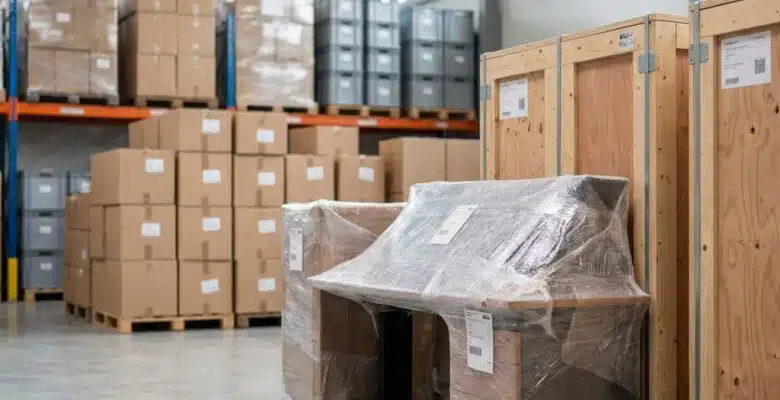
Why Businesses Choose Flat Rate Storage for Relocations
Commercial Flat Rate Storage Solutions for Business Relocation in 2026
When you’re moving a business, timing rarely cooperates. Your new office might not be ready. Your warehouse lease could overlap. Equipment arrives before your team does. That’s where commercial flat rate storage becomes invaluable. We’ve worked with hundreds of companies facing these exact gaps, and a solid storage strategy often makes or breaks a smooth transition.
Unlike residential moves, business relocations involve inventory, equipment, documents, and sometimes compliance requirements that demand more than a standard self-storage unit. You need predictable costs, secure handling, and quick access when deadlines shift. That’s exactly what commercial flat rate storage delivers.
Businesses select flat rate storage primarily because it eliminates uncertainty. When you know exactly what you’ll pay per month, you can budget accurately and avoid surprise invoices when the move takes longer than expected. This predictability alone reduces relocation stress considerably.
Beyond cost clarity, flat rate models provide businesses with flexibility during transitions. Maybe your new office isn’t quite finished, or you’re temporarily consolidating warehouses before opening a new distribution center. A fixed monthly rate means you’re not penalized for staying an extra week or two. You also avoid the nickel-and-diming that sometimes comes with hourly or per-cubic-foot pricing schemes.
We’ve found that businesses also prefer flat rate storage because it pairs well with professional moving services. When your movers and your storage provider work together seamlessly, coordination improves dramatically. There’s no confusion about who’s responsible for what, and scheduling becomes straightforward. A retail chain we moved last year needed storage for 30 days while their new location was being built out. With a flat rate in place, they never worried about the cost impact of the construction delay.
The peace of mind aspect shouldn’t be underestimated either. Your team can focus on operational continuity rather than managing storage logistics or watching the meter run. That’s time and mental energy you can redirect toward making the relocation successful.
Action item: Request a flat rate quote that breaks down exactly what’s included, so you can compare it against other options and budget accurately from day one.
Understanding Commercial Flat Rate Pricing Models
Flat rate pricing for commercial storage typically works like this: you pay a single monthly fee for a defined storage space, regardless of how full it is or how many times you access it. Most providers base the rate on the unit size, location, and whether climate control is included. Some add modest fees for specialized services like forklift access or pallet storage, but those are stated upfront.
The key difference between flat rate and traditional self-storage is transparency. You’ll receive a detailed estimate that itemizes everything: the unit dimensions, monthly cost, any insurance or climate control surcharges, and the contract term. There are no surprises at the end of the month because the price doesn’t change unless you modify your agreement.
Different businesses benefit from different rate structures. A tech company storing equipment might need a smaller unit with climate control, making their monthly cost lower than a manufacturer storing machinery that requires specialized racking. The rate scales to match actual needs, which is why getting an accurate inventory assessment before signing matters.
We’ve also seen businesses negotiate better rates when they commit to longer terms. Committing to six months instead of month-to-month sometimes yields a 10-15% discount. That’s worth calculating if you have rough timing visibility. However, don’t lock into a long contract if your move timeline is uncertain. A slightly higher month-to-month rate beats being stuck in a contract you don’t need.
One more consideration: some providers include basic liability coverage in their flat rate, while others charge separately for Full Value Protection. Knowing what’s covered and what isn’t prevents billing confusion later. When you work with a provider like us, we make this crystal clear upfront.
Action item: Request itemized quotes from multiple providers and compare the actual inclusions, not just the headline price. Sometimes a slightly higher rate includes climate control or insurance that another provider charges separately.
Benefits of Climate Controlled Storage During Business Moves
Climate controlled storage isn’t a luxury for most businesses moving in 2026, it’s practical necessity. Temperature and humidity fluctuations damage inventory, equipment, and documents. Electronics suffer from condensation. Paper records become brittle or moldy. Artwork and antiques warp. Even office furniture can be compromised by temperature swings.
For businesses storing items for more than a few weeks, climate control typically pays for itself through damage prevention alone. We’ve seen companies lose thousands in inventory because they chose uncontrolled storage to save a few hundred dollars monthly. The math never works out.
Climate controlled environments maintain temperatures between 55-85 degrees Fahrenheit and humidity at 30-50%, depending on the facility. These ranges protect virtually any business asset you’d store during a relocation. Electronics stay stable. Cardboard boxes don’t absorb moisture and degrade. Wooden furniture maintains its integrity.
The technology also protects your documents and intellectual property. If your company is storing sensitive files, blueprints, or archived records during the move, climate control ensures they remain legible and usable. Water damage from condensation or seasonal humidity swings becomes impossible in a properly maintained unit.
We especially recommend climate controlled storage if your move extends into spring (wet season) or summer (high heat and humidity). These seasonal windows dramatically increase the risk of moisture damage. A retail business we relocated in April chose climate control at the last minute after hearing about humidity concerns. Three weeks later, they were grateful. Without it, their inventory would have sustained visible damage.
Action item: Check the seasonal humidity patterns in your region and plan accordingly. If you’re storing during spring or humid months, climate control becomes non-negotiable. Factor that cost into your relocation budget from the start.
Planning Your Commercial Storage Timeline
Getting the timeline right prevents unnecessary storage costs. Many businesses pay for storage longer than needed simply because they didn’t plan the sequence of events carefully. A clear timeline prevents this waste.
Start by mapping backward from your target move-in date. If you’re relocating on June 15, work through these questions: When will your new space be ready for occupancy? When can your movers deliver items there? How long will setup and installation take? Are there regulatory inspections or certifications needed before you can operate? Once you answer these, you know your storage window.

Next, identify what goes directly to the new location versus what needs temporary storage. Not everything requires storage. Items you can place immediately should ship directly. Only items arriving before the new space is ready, or equipment needing setup time, go into storage. This distinction alone often cuts storage duration by a week or two.
We also recommend building in a buffer. Life happens. Inspections fail. Contractors run late. Adding 5-7 days to your planned timeline costs less than paying overage fees or emergency retrieval charges when the timeline crunches. It’s insurance against the unexpected.
Document your timeline in writing and share it with your storage provider. They can then flag potential scheduling conflicts and ensure your unit is ready when you need it. Communication prevents the scenario where you’re ready to retrieve items on a Friday but the facility is short-staffed and can’t facilitate the pickup until Monday.
For corporate relocation services, we typically recommend planning storage logistics 60-90 days before the planned move date. This gives you time to arrange the storage space, coordinate with movers, and adjust timelines if needed. Last-minute storage arrangements usually cost more and offer fewer options.
Action item: Create a simple timeline spreadsheet with key dates: lease end, new space readiness, move date, and planned storage checkout. Share it with your storage provider within two weeks of booking.
Protecting Inventory During Extended Storage Periods
Longer storage periods mean greater exposure to potential damage, theft, or deterioration. Protecting your assets requires a multi-layered approach that combines proper packing, insurance, and facility security.
Start with how items are packed. During business moves, we recommend professional packing for anything valuable or fragile. Standard boxes work fine for general office supplies, but specialized equipment, electronics, and sensitive materials deserve custom crating. Proper packing prevents shifting during transport and protects items from damage once they’re in storage.
Organization inside the storage unit matters tremendously. Create an inventory system and photograph the unit before you leave. Label everything clearly. Store heavier items on lower shelves and delicate items toward the front for easy access. Keep a temperature and humidity log if you’re storing sensitive materials. This documentation protects you if damage occurs and helps your insurance provider understand the circumstances.
Insurance coverage is non-negotiable for extended storage. Most basic storage facility liability is limited to $.60 per pound per article with a $50,000 cap, which sounds reasonable until you calculate what your actual equipment is worth. A single server can exceed that value easily. Our Full Value Protection option ensures you’re covered for the actual replacement cost of your items, regardless of weight or article limits. For businesses storing inventory or expensive equipment, this protection is essential.
We also recommend scheduled inventory audits, especially for storage periods exceeding 60 days. If you’re storing manufactured goods, office furniture, or electronics, visit the facility monthly or request a facility manager walkthrough. This accomplishes two things: you verify items are secure and undamaged, and your presence deters theft or mishandling.
Climate control, as mentioned earlier, is your first line of defense against environmental damage. Combined with professional packing, proper organization, and insurance, these layers create a comprehensive protection system.
Action item: Before items enter storage, create a detailed inventory list with photos and appraised values. Store this list separately from the facility. If damage occurs, this documentation accelerates the insurance claim process.
Storage Solutions for Different Business Types
Different industries have different storage needs, and flat rate models accommodate this variation effectively.
Retail businesses typically store excess inventory, seasonal stock, and display fixtures. They benefit from accessible units where managers can occasionally retrieve items for restocking. Climate control is important for clothing, electronics, and anything humidity-sensitive. A flat rate works perfectly here because the storage duration is predictable, usually matching the transition between lease agreements.
Manufacturing and distribution centers might need storage for machinery, raw materials, or finished goods awaiting shipment. These operations often require units with specialized racking, forklift access, or loading dock compatibility. Some flat rate providers offer modules for these add-ons, keeping costs transparent while accommodating industry-specific needs.
Tech companies and corporate offices typically store equipment, servers, and filing systems. Climate control becomes critical for electronics. Access frequency is usually low, making a remote facility economical. Businesses in this category often use storage for 2-4 weeks while offices are being built out or IT systems are installed.
Medical and pharmaceutical businesses have compliance requirements that affect storage. Items must be stored in climate controlled environments, often with temperature and humidity documentation. Some require restricted access. Specialized storage providers understand these requirements and build compliance into their facility operations.
Professional services firms, law offices, and accounting practices frequently need storage for archived files during office relocations. These moves are typically quick, so storage duration is short. However, security and confidentiality matter enormously. The right storage partner understands these sensitivities and offers secure, discreet facilities.
We work with all these business types regularly, so we understand the nuances each industry brings to a relocation. When you contact us about storage, we ask detailed questions about your specific industry and requirements. This approach ensures we quote you for exactly what you need, not a generic solution.
Action item: Identify which category your business falls into and list any industry-specific storage needs (climate control, access frequency, specialized equipment). This information helps any provider give you a more accurate quote.
Integrating Storage with Your Overall Relocation Strategy
Storage shouldn’t be an isolated decision. It’s one piece of a larger relocation puzzle, and integrating it properly saves time and money.
The best approach involves coordinating storage with your moving timeline and new space preparation. If you’re hiring professional movers (which we recommend for business relocations), involve them in the storage planning. They know exactly what can go directly to the new location and what needs temporary storage. They also understand timing constraints and can suggest logistics sequences that minimize storage duration.
Your move coordinator should have visibility into storage logistics from day one. They should know which items go into storage and when you’ll need them retrieved. This prevents scheduling conflicts where items are in storage but needed urgently, or conversely, where items arrive at the new location before space is ready for them.

We also recommend scheduling storage access and new location setup in sync. If your storage facility is across town from your new office, retrieval and delivery logistics matter. Some providers offer delivery services from storage to your final location, which simplifies the final mile significantly. This is much more efficient than moving items from storage to a temporary location, then relocating again.
For large corporate moves, we often recommend a phased approach. Priority items go directly to the new location. Secondary inventory enters storage for a few weeks. Equipment needing setup or installation is staged in storage until technicians are ready. This sequencing keeps the new location functional while avoiding overcrowding during the transition period.
Finally, your relocation budget should account for both moving costs and storage costs as integrated line items. When you’re evaluating proposals from moving companies or storage providers, request bundled pricing. Many providers, including us, offer discounts when you combine moving and storage services. You save money and get better coordination between teams.
Action item: Contact your moving company before finalizing storage arrangements. Ask them to review your storage plan and suggest optimizations based on logistics experience. Their insights often reveal ways to reduce storage duration or improve retrieval efficiency.
Managing Costs Through Flat Rate Storage Options
Cost management during relocation is crucial, and flat rate storage provides several levers to pull.
First, right-size your unit. Overestimating space is common and costs money unnecessarily. Before you book, get a detailed inventory of what’s actually going into storage. We recommend having a professional assess the volume during the pre-move estimate. They can visualize what you need and recommend appropriate unit sizes. A 10×10 unit, 10×15 unit, and 10×20 unit have dramatically different monthly costs. Accurate sizing saves substantially.
Second, minimize storage duration. Every week costs money. By planning your timeline carefully, coordinating with movers, and staging retrieval efficiently, you can often reduce storage days. We worked with a law firm that initially estimated needing storage for 45 days. After mapping out their new office build timeline precisely, we reduced that to 28 days. That saved them roughly $800 in unnecessary storage fees.
Third, negotiate contract terms strategically. As mentioned earlier, longer commitments sometimes yield discounts. However, only lock in a longer term if you’re confident in your timeline. A better approach: commit to the full duration you actually need, and ask if the provider will discount it. Many will offer 10-15% off for three-month commitments versus month-to-month pricing. That discount covers administrative costs they avoid, and you both benefit.
Fourth, explore whether your moving company offers moving and storage bundled pricing. When you consolidate with one provider, you often receive discounts unavailable otherwise. Full-service movers typically have relationships with storage facilities and can negotiate rates their clients don’t see in the open market.
Finally, make sure you understand what’s included in the quoted rate. If climate control isn’t included and you need it, or if insurance is separate, get those itemized. Some providers advertise a base rate then charge for essentials separately. That’s not deceptive, but it’s easy to miss when comparing quotes. Always compare total cost including all add-ons, not headline prices.
Action item: Get three quotes and request them in identical formats (same unit size, same add-ons, same contract term). This apples-to-apples comparison reveals actual price differences and helps you negotiate confidently.
Accessing Your Business Items When Needed
One of the advantages of commercial flat rate storage is that access policies are usually clear and consistent. You’re paying for the space, so you should be able to retrieve items when needed without restrictions.
However, access logistics matter. Before booking, understand the facility’s access hours. Are you limited to business hours, or do they offer evening and weekend access? If your business operates outside traditional hours, weekend access might be important. Some facilities charge extra for off-hours access, while others include it. Factor this into your decision, especially if you anticipate needing items outside normal business windows.
Ask about vehicle access and loading facilities. Can you drive a truck directly to your unit, or do you need to park and manually carry items? Is there a forklift available if you need to move heavy equipment? What’s the maximum vehicle size the loading dock accommodates? These details affect how efficiently you can retrieve and relocate items from storage.
We also recommend discussing retrieval logistics with your storage provider upfront. If you need to move items from storage to your new location, the provider might offer retrieval and delivery services. Some facilities have partnerships with movers that streamline this process. Having these options identified in advance prevents scrambling when you’re actually ready to retrieve items.
For longer storage periods, schedule retrieval at least one week in advance. This gives the facility time to stage items and prepare for pickup. Last-minute retrievals often encounter delays or incur expedite fees. Planning ahead prevents frustration when you’re already stressed about the move.
Create a retrieval checklist before you access storage. Know exactly which items you need and in what order you need them. This prevents multiple trips and keeps the process efficient. If you’re retrieving in phases (some items this week, more next week), communicate this timeline to the facility so they can organize accordingly.
Action item: Schedule your first retrieval date during the pre-move planning stage, not when you’re scrambling at the last minute. This gives the storage facility time to prepare and ensures items are ready when you arrive.
Compliance and Security in Commercial Storage Facilities
Security and compliance become increasingly important for businesses storing sensitive materials, equipment, or inventory during relocations. Understanding facility standards protects both your assets and your legal obligations.
Start by verifying the facility’s security infrastructure. This includes surveillance cameras, alarm systems, controlled access gates, and staffing. Ask about their monitoring practices. Are cameras recorded 24/7? Is the facility staffed during off-hours? What’s their protocol if an alarm is triggered? A secure facility has documented procedures and can answer these questions without hesitation.
For businesses storing sensitive documents, intellectual property, or customer information, confidentiality is paramount. The storage facility should offer restricted-access units that only authorized personnel can enter. Some facilities provide individual locks in addition to their master locks, giving you additional control. This is standard for medical records, legal documents, and proprietary materials.
Compliance requirements vary by industry. If you’re storing pharmaceutical products, medical devices, or food-grade items, the storage facility must meet specific regulatory standards. Temperature and humidity documentation might be required for compliance purposes. Climate controlled storage facilities maintain these logs automatically, which supports regulatory audits.
Insurance and liability also fall under compliance. Verify that the facility maintains adequate insurance for the assets stored there. Ask about their liability limits and what situations they cover. Understand your responsibility if damage occurs during storage. This is where your Full Value Protection becomes important, as it covers gaps in facility liability.

For larger commercial moves, some businesses require the storage facility to sign confidentiality agreements. If your move involves sensitive business matters, discuss this possibility upfront. Most reputable facilities are willing to sign standard NDAs, as it protects both parties.
Finally, keep records of everything: the storage agreement, insurance documentation, inventory lists, and any communications with the facility. If a dispute arises, these records support your position. Digital copies stored separately from the physical items also provide backup protection.
Action item: Request the storage facility’s insurance certificate and security procedures in writing. Review their agreement carefully, or have legal counsel review it, especially if you’re storing high-value or sensitive items.
Choosing the Right Storage Partner for Business Moves
Selecting a storage provider is as important as selecting a moving company. The right partner makes the relocation smoother and more cost-effective. The wrong one creates headaches that extend long after the move ends.
Look for providers with specific experience in commercial relocations, not just residential storage. Commercial moves involve different timelines, access requirements, and security considerations. A provider experienced with business clients understands these nuances and anticipates potential issues. When you contact a provider, ask specifically about their commercial relocation experience. How many business moves have they supported? What industries do they regularly work with? Do they have case studies or references from similar businesses?
Reputation matters significantly. Check online reviews, but also ask for direct references. A provider willing to connect you with three to five recent commercial clients is confident in their service. When you contact those references, ask specific questions: Did they meet timeline commitments? Were billing and pricing as quoted? How was the facility’s cleanliness and security? Would they use the provider again?
Transparency in pricing and terms is non-negotiable. As we’ve emphasized throughout this article, your storage provider should offer clear, itemized quotes with no hidden fees. If something isn’t explicitly included, ask before you sign. Flat rate structures are designed to eliminate surprise billing, so insist on that clarity. Any provider who’s vague about pricing terms isn’t worth the risk.
Integration with your moving company matters. If you’re using a professional moving company for your relocation, ask them which storage providers they partner with. Most established moving companies have tested relationships with storage facilities. When your moving company and storage provider coordinate, your relocation runs smoother. As a full-service moving company with nationwide coverage, we have established partnerships that streamline this coordination.
Check whether the storage provider offers additional services that enhance your relocation. Can they arrange delivery from storage to your final location? Do they provide inventory management services? Can they assist with specialized items like antiques or equipment that requires climate control? These additional capabilities can simplify your overall relocation significantly.
Finally, assess their customer service quality. Call with questions and see how quickly and thoroughly they respond. Good communication prevents misunderstandings and builds confidence that your assets are in capable hands.
Action item: Create a comparison matrix with five to seven storage providers. Rate each on experience, reputation, pricing transparency, facility security, and customer service responsiveness. Choose based on overall value, not the lowest price alone.
Making Your Next Business Relocation Seamless
The difference between a smooth business relocation and a chaotic one often comes down to planning and coordination. Commercial flat rate storage is a critical component of that planning, but it’s most effective when integrated into your overall relocation strategy.
Start planning early. Sixty to ninety days before your move, begin evaluating your storage needs. Map out your timeline, understand what items require storage, and get quotes from multiple providers. This advance work gives you time to negotiate, compare options, and adjust plans if needed. Last-minute storage arrangements are more expensive and offer fewer choices.
Consider partnering with a full-service moving company that handles both relocation and storage coordination. When one team manages both logistics, scheduling conflicts disappear and cost optimization improves. We work with businesses of all sizes to manage complex relocations, from small office moves to multi-building corporate transitions.
Communicate constantly with your storage provider and moving company. Share your timeline, your inventory, and any special requirements. The more information they have, the better they can plan and serve you. If something changes, notify them immediately. Proactive communication prevents surprises and keeps the relocation on track.
Invest in proper packing, climate control, and insurance. These aren’t expenses to minimize, they’re protections that prevent far costlier problems. Damaged equipment or lost inventory far exceeds what you’d spend on these safeguards.
Finally, remember that your storage provider is a partner in your successful relocation, not just a vendor processing a transaction. Choose a provider who understands your business, values your success, and communicates transparently throughout the process. That partnership pays dividends in reduced stress, lower costs, and a smoother transition.
If you’re planning a business relocation and need storage solutions, we’d like to help. We specialize in commercial moving services with integrated storage options, and we bring 30 years of moving experience to every relocation we handle. Contact us for a free estimate that includes storage options tailored to your specific needs and timeline.
Frequently Asked Questions (FAQ)
How does flat rate pricing for commercial storage protect my relocation budget?
Flat rate pricing means you pay one fixed price for your storage space regardless of how long items remain in the facility, eliminating surprise monthly charges. This allows you to forecast relocation expenses accurately and avoid unexpected cost increases if your business transition takes longer than anticipated. American Van Lines provides all-inclusive moving estimates that break down storage costs upfront so you know exactly what to budget.
What security measures protect my business inventory in climate-controlled storage?
Climate-controlled facilities maintain consistent temperature and humidity levels to prevent damage to sensitive equipment, documents, and inventory. American Van Lines’ storage facilities include security monitoring, restricted access, and professional handling protocols designed specifically for business assets. Your items remain protected whether stored for weeks during a transition or longer while you establish operations at your new location.
Can I access my stored items before my business is fully relocated?
Yes, you can retrieve items from storage as needed during your business transition. American Van Lines coordinates access through your dedicated move coordinator, allowing you to pull inventory or equipment based on your operational timeline. This flexibility helps you set up departments incrementally rather than waiting for complete relocation.